

Market update
US CPI Cools While Middle East Risks Lift USD - CPT Markets

Market Wrap-up: US CPI Cools While Middle East Risks Persist
Markets were driven primarily by the latest US CPI report, which showed a broad moderation in price pressures across goods and services. The softer inflation profile reduced the pressure on the Fed to consider an earlier rate hike, although geopolitical risks continued to complicate the outlook.
US CPI rose 0.1% in July 2026 after declining 0.4% in the previous month, according to data released by the US Bureau of Labor Statistics on 12 August.
On a year-on-year basis, CPI increased 3.4%, easing from 3.5% in June. Excluding the more volatile food and energy components, core CPI rose 0.2% in July after remaining unchanged in June. Core CPI increased 2.5% year-on-year, down from 2.6% in June.
While inflation remains materially above the Fed's 2% target, the relatively modest monthly increase, combined with the softer June reading, suggests the energy-driven price shock seen earlier in the year is gradually losing momentum. However, the inflation outlook remains vulnerable to renewed volatility in energy prices as developments in the Middle East continue to shift.
Following the release, US equities moved higher. The S&P 500 gained 0.26%, while the Nasdaq Composite rose 0.54%. The Dow Jones Industrial Average edged 0.04% lower.
Gold rose 1% to USD 4,409.35 per ounce, reaching its highest level in more than two months as the softer inflation data reinforced expectations that the Federal Reserve will keep rates unchanged at its September meeting.
The DXY, which measures the strength of the US dollar, initially weakened to 99.61 following the CPI release. However, the dollar subsequently rebounded sharply as renewed tensions between the US and Iran shifted market focus back toward geopolitical risk and safe-haven demand.
US President Donald Trump said Washington has full control over the Strait of Hormuz. Iran rejected the statement, maintaining that the critical waterway remains blocked.
Meanwhile, Iran-backed Houthi forces killed six people in an attack on a cargo vessel in the Bab el-Mandeb Strait. The incident marked the first recorded fatalities from attacks targeting shipping activity in the Red Sea in more than a year, reinforcing concerns over the security of key global maritime routes.
Looking ahead, markets will focus on US labour-market data, including Unemployment Claims, as well as the Producer Price Index (PPI). Speeches from FOMC members will also remain in focus as investors assess whether the softer CPI trend is sufficient to reinforce expectations for unchanged policy in September.
XAU/USD: Softer CPI Supports Gold Prices
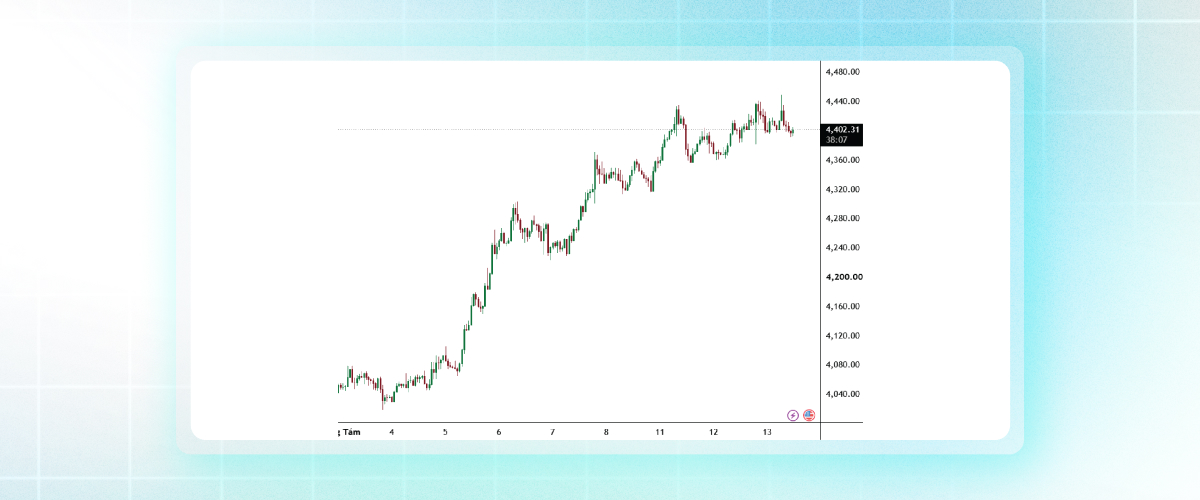
Key takeaway:
- Gold rose during the 12 August session to its highest level in more than two months after US inflation data came in broadly in line with expectations. The softer CPI profile reinforced expectations that the Federal Reserve will keep interest rates unchanged at its September meeting.
- According to the CME FedWatch Tool, traders are now pricing roughly a 40% probability of a Fed rate hike in September, down from 46% before the inflation data was released. This repricing reduced near-term rate pressure on gold.
- A higher-rate environment typically weighs on gold's appeal because the metal does not generate yield. The latest move higher therefore reflects softer rate expectations and stronger safe-haven demand, although the daily technical bias remains bearish.
Technical Outlook:
- Daily Bias: Bearish
- Support: 4,381
- Resistance: 4,450
WTI: Shipping Risks Keep Oil Prices Under Pressure
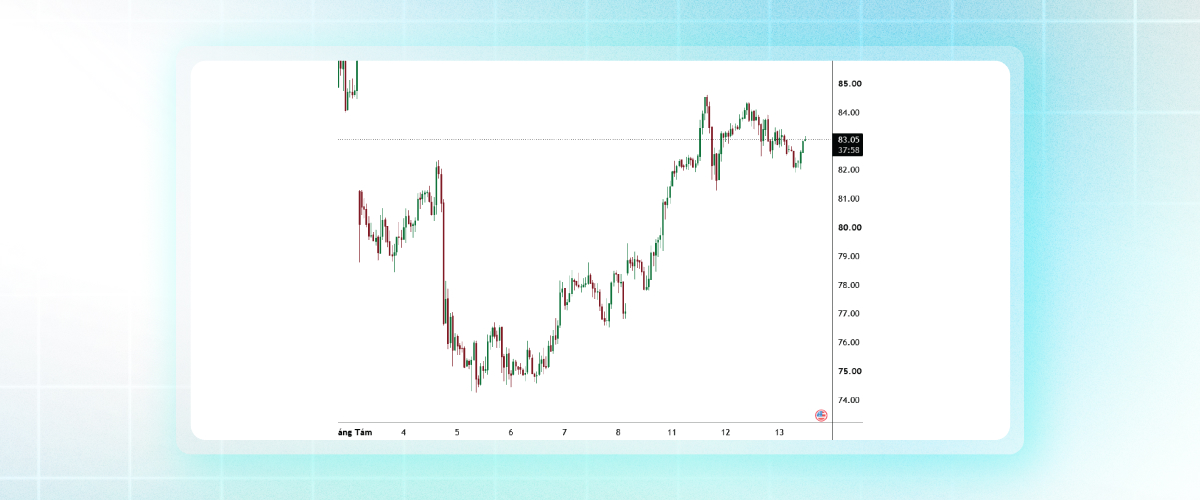
Key takeaway:
- WTI was broadly unchanged on 12 August as deadly attacks on vessels in the Red Sea and Gulf of Oman increased concerns over risks to global shipping routes.
- Iran-backed Houthi forces killed six people in an attack on a cargo vessel in the Bab el-Mandeb Strait, adding to concerns over potential disruption across key maritime corridors.
- At the same time, US President Donald Trump said the US has full control of the Strait of Hormuz, while Iran reaffirmed its control over the critical waterway. The conflicting claims kept geopolitical risk elevated and provided a floor for oil prices, even as the daily technical bias remained bearish.
Technical Outlook:
- Daily Bias: Bearish
- Support: 81.26
- Resistance: 83.48
Trading Forex and CFDs involves risk. Availability and terms vary by jurisdiction and entity.
DXY: Geopolitical Risks Support Dollar Rebound
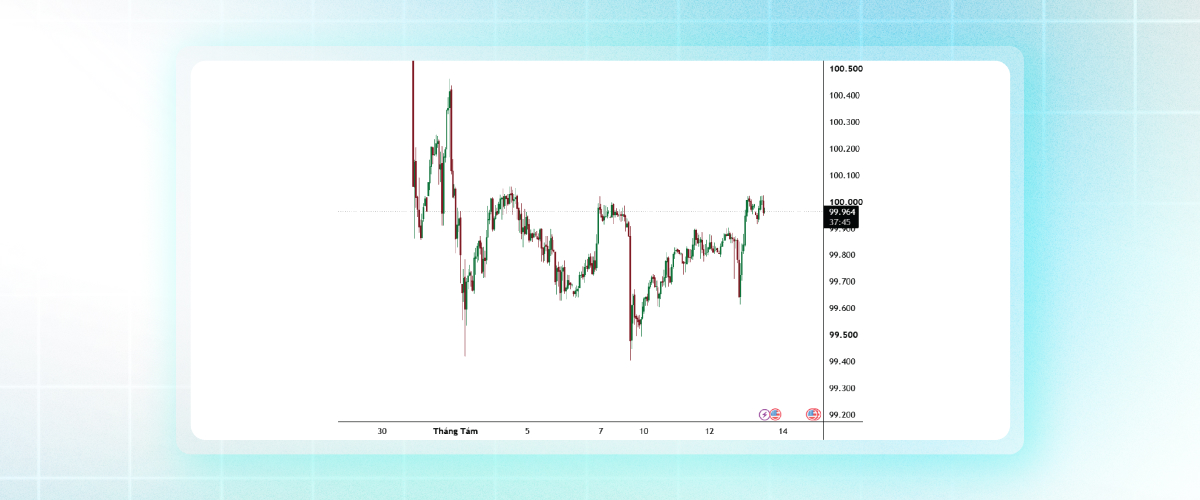
Key takeaway:
- The DXY swung sharply after CPI matched expectations, initially weakening as softer inflation reduced near-term rate-hike expectations before rebounding as Middle East risks became the dominant market driver.
- Geopolitical risk and the possibility of further Fed tightening remain supportive factors for the DXY. Rising energy and supply-chain risks could also reinforce inflation concerns, limiting the dollar's downside despite the softer CPI print.
- Markets are now awaiting Initial Unemployment Claims and the US Producer Price Index (PPI) for further clues on the inflation and monetary-policy outlook.
- Core producer prices are expected to fall sharply to 4.2% YoY in July from 4.7% previously, making the PPI release an important test of whether underlying price pressures are continuing to ease.
Technical Outlook:
- Daily Bias: Bearish
- Support: 99.60
- Resistance: 100.00
EUR/USD: Renewed Dollar Strength Weighs on Euro
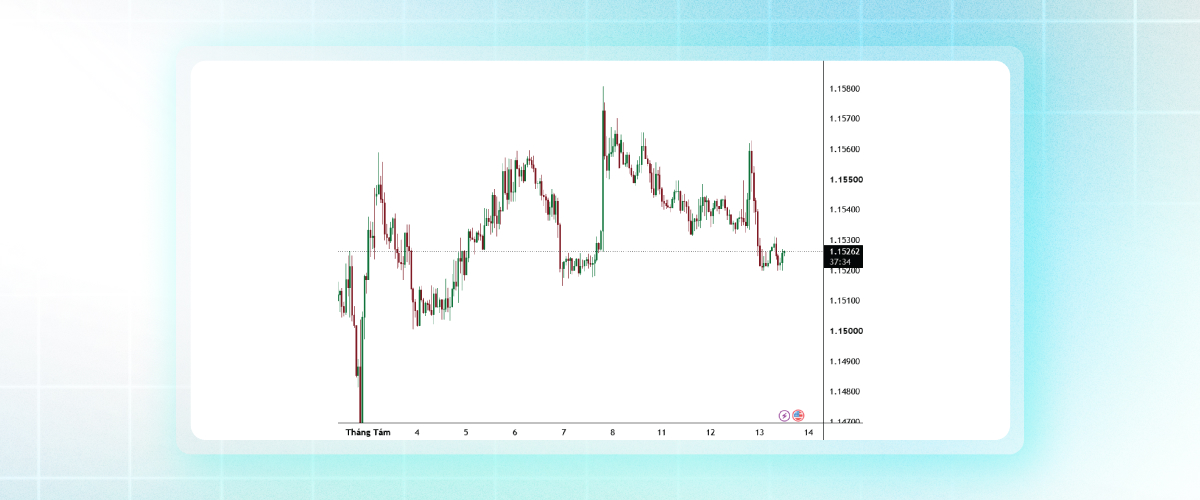
Key takeaway:
- The euro weakened as the US dollar recovered, with renewed Middle East concerns pushing oil prices higher and strengthening demand for the dollar.
- At the same time, market-based inflation expectations for the Eurozone over the next year remain around 2.4%, above the ECB's official 2% target, while actual Eurozone inflation edged up to 2.9% in July.
- Investors currently expect the ECB to deliver another 25-basis-point rate hike in September. This rate outlook provides support for the euro and remains consistent with the bullish daily technical bias despite the latest USD-driven weakness.
Technical Outlook:
- Daily Bias: Bullish
- Support: 1.15252
- Resistance: 1.15600
USD/JPY: Intervention Risks Cap Yen Weakness
Key takeaway:
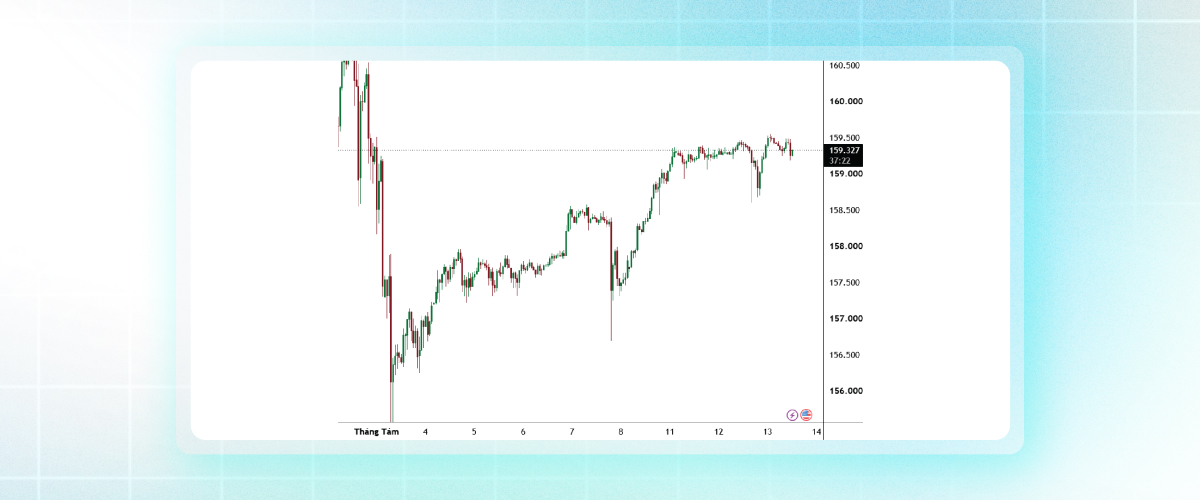
- USD/JPY traded sideways near 159.50 as intervention risks limited further yen weakness while markets awaited the US PPI data.
- Japanese Finance Minister Satsuki Katayama said earlier this month that the US had joined Japan in intervening in the foreign exchange market to address sharp volatility and recent instability in the Japanese yen.
- US President Donald Trump subsequently confirmed US participation in the intervention during a cabinet meeting, describing it as a sign of friendship. The intervention risk remains a key constraint on further USD/JPY upside, despite the pair holding near elevated levels.
Technical Outlook:
- Daily Bias: Bearish
- Support: 158.59
- Resistance: 159.52
Markets are being pulled between two competing forces. Softer US CPI has reduced near-term Fed tightening expectations, supporting equities and gold while initially weighing on the USD. That move was quickly challenged by renewed US-Iran tensions and fresh shipping fatalities around Bab el-Mandeb, keeping geopolitical risk and energy security at the centre of price action.
Oil remains caught between elevated geopolitical risk and a bearish technical structure. The same risk is supporting the USD through safe-haven demand, while higher energy prices could complicate the inflation outlook again.
Gold has benefited from softer rate expectations, although its bearish daily bias remains intact. In FX, EUR/USD retains a bullish technical bias despite recent USD strength, while USD/JPY remains constrained by intervention risk around 159.50.
The immediate market focus now shifts to US Unemployment Claims, PPI and FOMC speakers. The key question is whether the softer CPI trend continues through producer prices or whether renewed energy and geopolitical risks begin to put inflation expectations back under pressure. That repricing will determine whether the USD's latest rebound can hold or fades back into the post CPI move.
If you are looking for a platform to take advantage of market volatility, CPT Markets is a compelling choice. Trade global markets on advanced trading platforms with competitive spreads and fast execution, and a seamless experience across all devices.
Whether you are a beginner or an experienced trader, trading short-term or long-term, the right platform can make the difference. Trade smarter with CPT Markets!
This content is provided for informational purposes only and does not constitute investment advice, investment recommendations, or an offer or solicitation to buy or sell any financial instrument. Trading financial products such as Forex and CFDs involves a high level of risk and may not be suitable for all investors. You may lose all of your invested capital, and in certain circumstances, losses may exceed your initial deposit. Please ensure that you fully understand the risks involved and carefully consider your financial objectives, level of experience, and financial situation before trading.
Related articles
- Market update
Wall Street Faces a Double Blow From AI Fears and Rising Oil Prices
US stocks ended lower on Thursday, led by a sharp decline in technology shares as investors reassessed the outlook for AI-related spending. The Nasdaq Composite fell 2.60% to 26,008.86, recording its largest…
- Market update
Oil Rises on Saudi Attacks as Dollar Pauses and Stocks Advance
Oil prices rose on Thursday after attacks in Saudi Arabia prompted the United States to order some diplomats and family members to leave its missions in the Kingdom. Brent crude futures gained 1.2% to $110.11…
- Market update
Gold Edges Lower as Fed Rate Outlook Clouds Markets
The US dollar remained under pressure on Wednesday after falling to a three-week low in the previous session, as lower Treasury yields and crude oil prices weighed on the currency. The US Dollar Index (DXY)…